
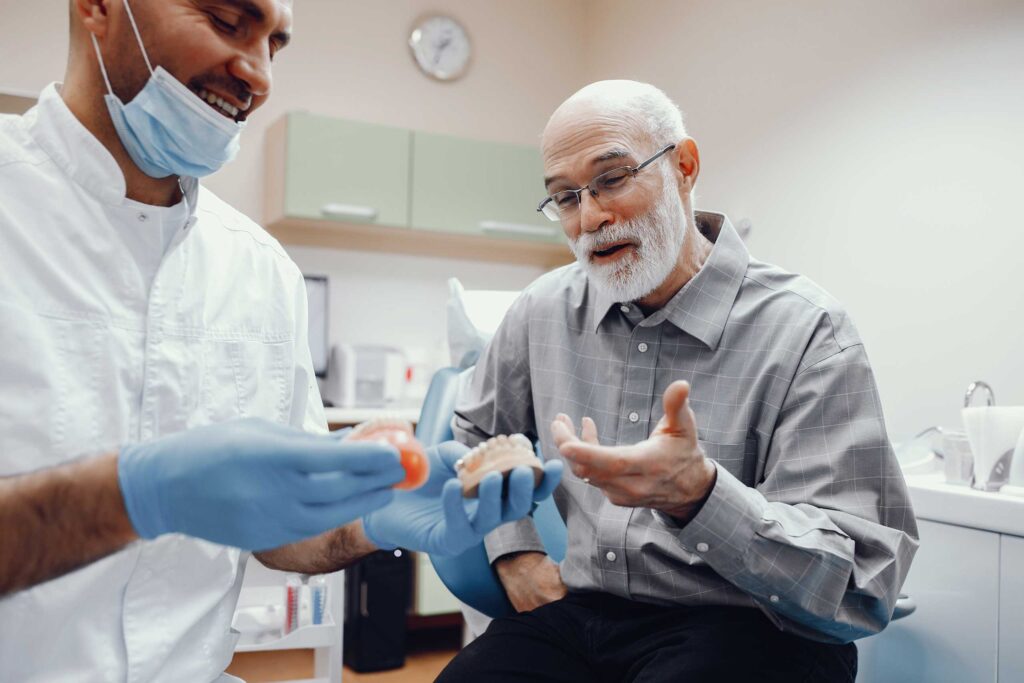
Are dental implants for one tooth worth it? If you’ve lost a single tooth, that’s the key question. This article explains what a single-tooth dental implant is, the benefits and risks, who makes a good candidate, what the treatment looks like, cost and financing basics, and how to decide if an implant is the right choice for you. By the end, you’ll have a clear checklist to weigh function, look, timeline, and budget.
What Is a Single-Tooth Dental Implant?
A single-tooth dental implant replaces one missing tooth with three parts: the implant post (a small titanium screw placed in your jaw), an abutment that connects the post to the crown, and the crown itself that looks like your natural tooth. Compared to a bridge or removable partial denture, an implant does not rely on neighboring teeth for support and feels and functions more like a natural tooth.
Top Benefits of Dental Implants for One Tooth
Natural function and appearance
A single implant restores chewing power and speech nearly the same as a real tooth. The crown is matched to your tooth shape and color, so it blends in. Because the implant is anchored in bone, it feels more stable than a removable option.
Preserves jaw bone
When a tooth is lost, the jawbone around that spot slowly shrinks. An implant stimulates the bone like a natural root, slowing or preventing that bone loss. Bridges and dentures do not stop bone loss and may require future adjustments as the jaw changes.
Long-term value
Implants tend to last longer than bridges or dentures. While the upfront cost can be higher, implants often have lower cost-per-year when you factor in fewer replacements and less maintenance over time.
Who Is a Good Candidate?
Good candidates have healthy gums, sufficient jaw bone, and no uncontrolled medical conditions that affect healing. Non-smokers have higher success rates; smokers may be advised to quit before and after surgery. If implants aren’t ideal, alternatives include a traditional bridge or a removable partial denture.
What to Expect During the Treatment
Treatment usually begins with a consultation and 3D imaging. If needed, tooth extraction or bone grafting is done first. The implant post is placed and allowed to heal and integrate with the bone (several weeks to months). Once healed, an abutment and crown are attached. Some practices offer same-day temporary teeth with in-office 3D printing to help appearance and function right after surgery.
Risks, Aftercare, and Warranty Questions
Common risks include infection, implant failure, and peri-implantitis (inflammation around the implant). Good oral hygiene, regular dental visits, and avoiding smoking lower these risks. Many clinics offer warranties that require routine maintenance and no-smoking clauses—be sure to read terms so warranty coverage is clear. For specific details on aftercare, consult your surgeon.
Why Choose an Experienced Oral Surgeon for Dental Implants for One Tooth
Look for board-certified oral surgeons who use 3D diagnostics (cone-beam CT), digital scanning, and modern surgical tools. These technologies help precise planning, safer anesthesia, and gentler surgery with faster recovery. Oral Surgery Michiana’s board-certified surgeons use i-CAT CT, Medit intraoral scanning, Piezotome® Cube, and SmoothWave i100, plus same-day 3D-printed teeth and a 10-year implant warranty that requires maintenance and no smoking.
Cost, Insurance, and Financing Options
Cost depends on the implant brand, need for bone grafting, and lab work for the crown. Some dental insurance plans help with part of the crown or work; many offices submit out-of-network claims. Common financing options include CareCredit, Proceed Finance, Cherry, and Alphaeon to spread payments.
Deciding If Dental Implants for One Tooth Are Worth It
Quick checklist: restore chewing and speech? want a natural look? concerned about bone loss? comfortable with the timeline and upfront cost? healthy enough for surgery? If most answers are yes, an implant is often worth it. Request a consult to review a tailored plan, timeline, and financing so you can make the best next step.